Backflow Prevention Inspection Schedule
Backflow prevention inspections are essential to ensure the safety and integrity of water systems. Conducting these inspections at optimal times can prevent contamination and costly repairs. Regular inspections help identify potential issues before they escalate, maintaining compliance with local regulations.
Perform inspections before seasonal changes, particularly before winter and summer, to prevent freezing or heat-related damage.
Schedule inspections after new backflow prevention devices are installed to verify proper operation.
An annual inspection ensures ongoing system integrity and compliance with health standards.
Inspect backflow prevention devices prior to construction or major plumbing upgrades.
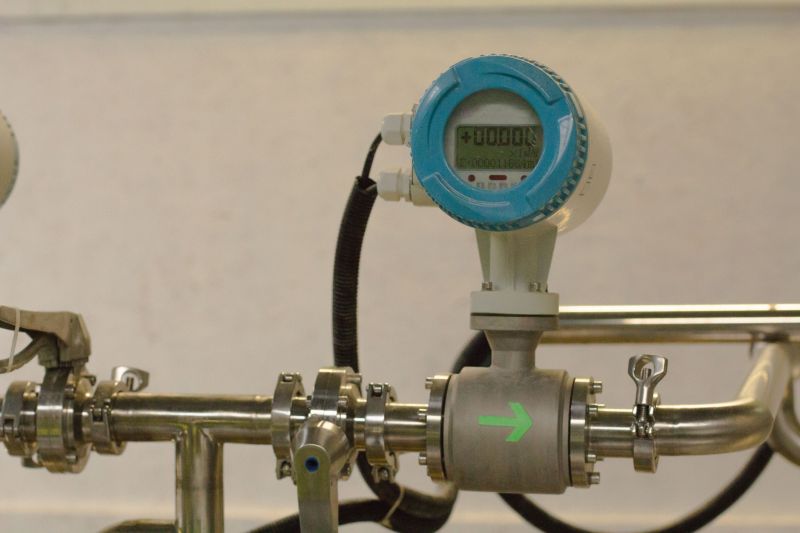
Specialized tools used during backflow prevention inspections.
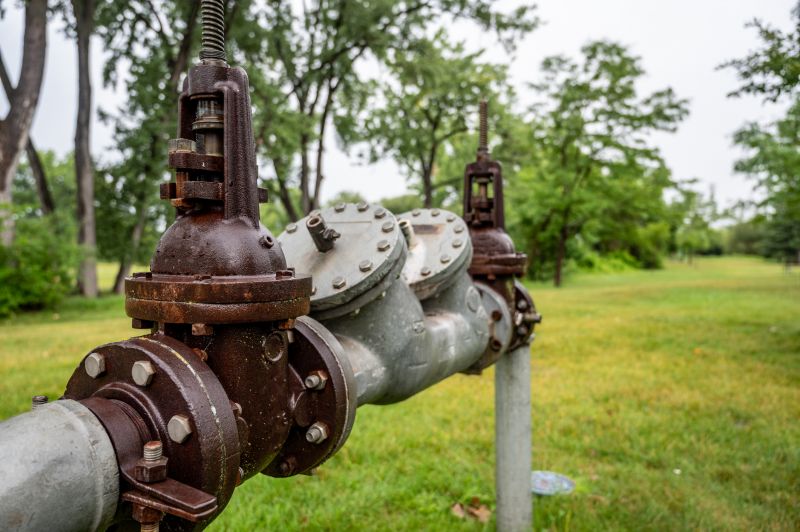
Technician conducting a backflow device check.
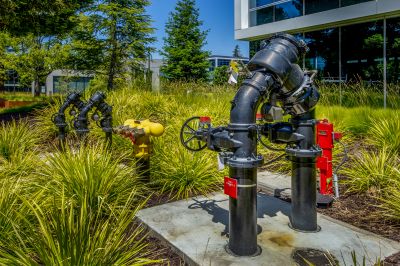
Testing backflow preventers for proper functionality.
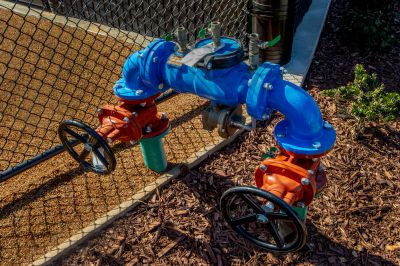
Ways to make Backflow Prevention Inspections work in tight or awkward layouts.

Popular materials for Backflow Prevention Inspections and why they hold up over time.

Simple add-ons that improve Backflow Prevention Inspections without blowing the budget.
| Timing Consideration | Description |
|---|---|
| Pre-Winter Inspection | Ensures devices are functional before cold weather risks. |
| Pre-Summer Inspection | Prepares systems for increased water usage and heat. |
| Post-Installation | Verifies new devices operate correctly. |
| Annual Checkup | Maintains compliance and system safety. |
| After Plumbing Repairs | Confirms repairs do not compromise backflow prevention. |
Backflow prevention inspections are a critical component in safeguarding potable water supplies. These inspections typically involve testing pressure and flow rates, inspecting device components, and verifying proper installation. Regular assessments can reduce the risk of contamination, which can lead to health hazards and regulatory violations. According to industry data, routine inspections can prevent up to 80% of backflow incidents, saving costs associated with water contamination and system failures.
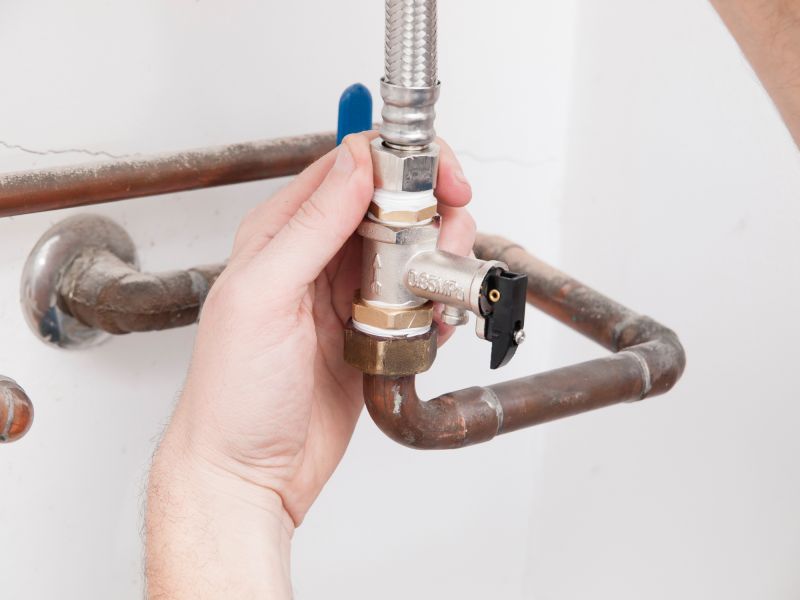
A professional testing a backflow preventer.
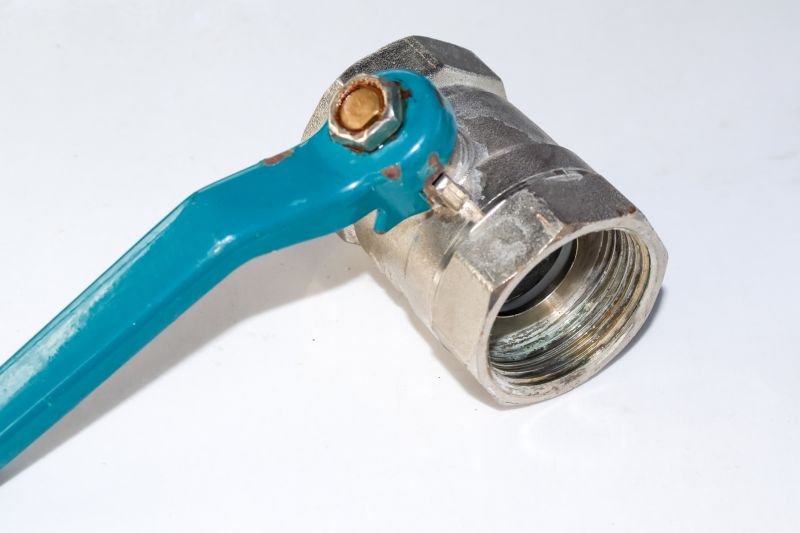
Tools used for testing backflow devices.
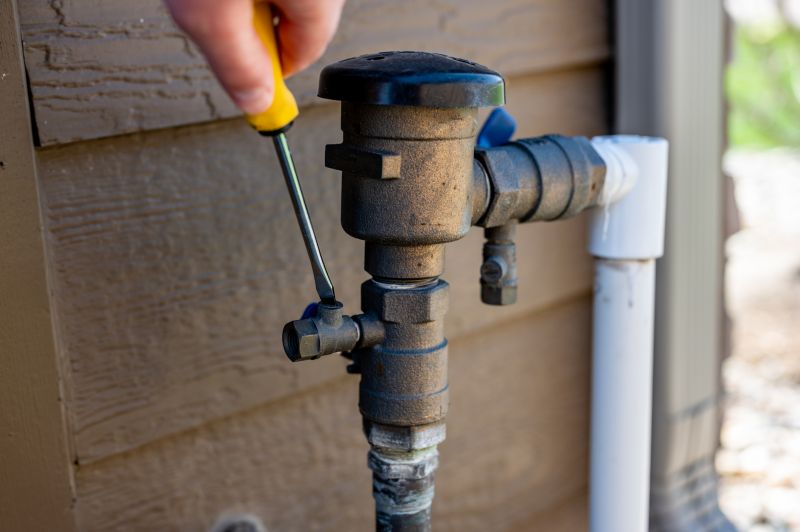
Maintaining backflow preventer components.
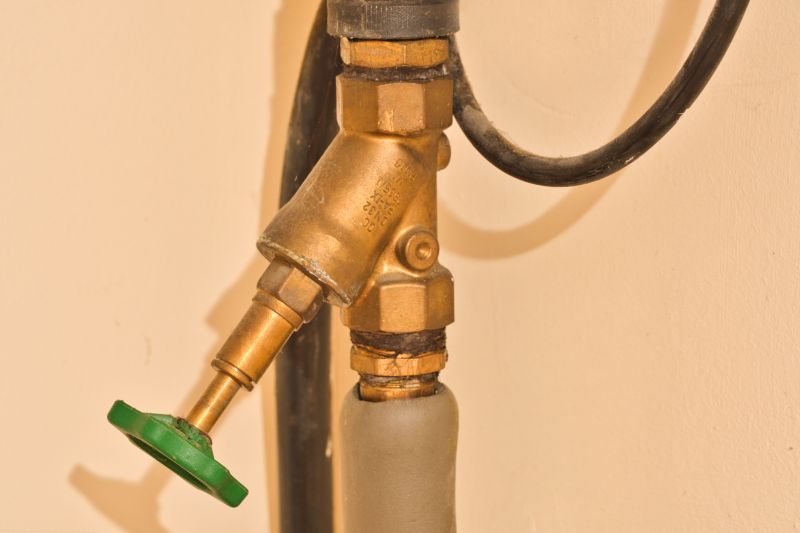
Documenting inspection outcomes for compliance.
Interested parties are encouraged to contact for further details or to schedule a backflow prevention inspection. Proper timing and regular assessments are vital for maintaining water safety and compliance with health standards. Filling out the contact form ensures timely scheduling and professional evaluation of backflow prevention devices.