
Leading Inspection Products for Ensuring Backflow Prevention Compliance
Select from top tools and equipment that help maintain regulatory standards during backflow prevention inspections.
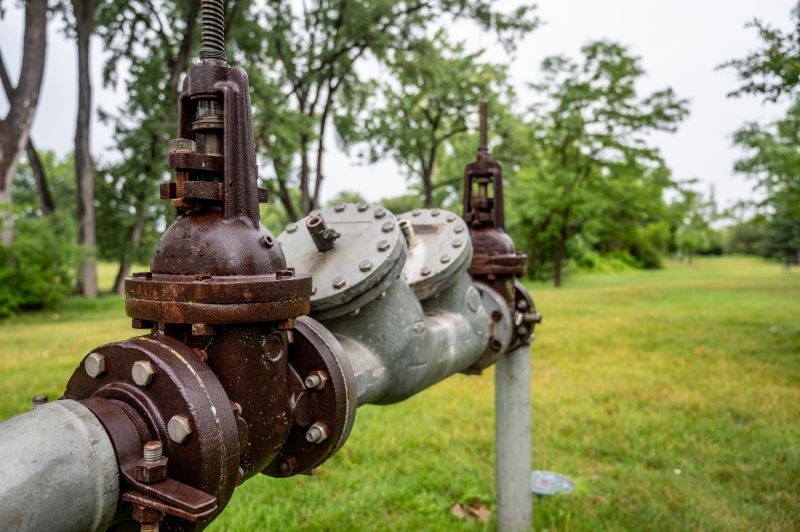 Backflow prevention inspections are a critical component of maintaining safe and compliant water systems in residential, commercial, and industrial settings. Ensuring that backflow prevention devices are functioning properly helps prevent contaminated water from flowing back into the main water supply, which could pose health risks and violate local regulations. Professionals conducting these inspections rely on a variety of specialized tools and products designed to test, monitor, and verify the integrity of backflow prevention systems. These products range from simple testing kits to advanced electronic testing devices, each suited to different levels of inspection complexity.
Top Overall Option
Portable Backflow Test Kit
A comprehensive portable backflow test kit offers a versatile solution for on-site inspections, providing essential tools such as pressure gauges, test cocks, and calibration accessories. Its compact design allows for easy transportation and quick setup, making it suitable for various inspection scenarios. This type of kit typically includes detailed instructions and multiple adapters to accommodate different backflow preventer types, ensuring accurate testing results. While it does not guarantee specific outcomes, it is valued for its reliability and all-in-one functionality in the field.
Types of Products For Backflow Prevention Inspections
Digital Pressure Gauges
Used to measure pressure levels accurately during backflow testing, ensuring proper device operation.
Test Cocks and Valves
Essential for attaching testing equipment to backflow preventers for pressure and flow measurements.
Portable Backflow Test Kits
All-in-one kits that include gauges, adapters, and accessories for on-site testing.
Backflow Device Inspectors
Specialized tools designed for inspecting and maintaining backflow preventers in various systems.
Flow Meters
Devices that measure water flow rates to verify proper backflow preventer performance.
Pressure Differential Testers
Tools that compare pressure differences across backflow preventers to detect malfunctions.
Calibration Kits
Accessories used to calibrate pressure gauges and testing devices for accurate measurements.
Visual Inspection Mirrors
Assist inspectors in examining hard-to-reach components of backflow preventers.
Ultrasonic Leak Detectors
Tools that detect leaks or irregularities in backflow prevention systems through sound analysis.
Data Logging Devices
Electronic tools that record pressure and flow data during inspections for documentation.
Portable Test Pumps
Handheld pumps used to simulate water flow and pressure during testing procedures.
Backflow Preventer Test Plugs
Temporary plugs used to isolate sections of the system during testing.
Pressure Regulating Valves
Valves used to control and stabilize pressure during testing procedures.
Inspection Cameras
Miniature cameras to visually inspect internal components of backflow preventers.
Flow Restrictors
Devices used to control flow rates during testing to ensure accurate results.
Popular Choices
Widely used for their ease of reading and accuracy during backflow testing.
Favored for their convenience and comprehensive components for field inspections.
Commonly selected for their compatibility with various backflow preventers and ease of use.
Popular for measuring water flow rates accurately during inspections.
Increasingly used for detecting leaks without invasive procedures.
Trusted for recording detailed pressure and flow data over time.
Helpful for inspecting hard-to-access parts of backflow preventers.
Popular for comparing pressure differences to identify potential issues.
Commonly used to ensure measurement accuracy of gauges and testing devices.
Often selected for their portability and ability to simulate system conditions.
Performing thorough inspections requires equipment that can accurately detect potential failures or malfunctions within backflow preventers. This includes pressure gauges, test cocks, and portable testing kits that facilitate on-site assessments. Proper inspection products not only help identify issues early but also ensure compliance with local safety standards. Depending on the system size and complexity, inspectors might choose from compact handheld devices for quick checks or more sophisticated setups for comprehensive testing. The right tools enable inspectors to perform precise measurements and document findings effectively.
Investing in reliable backflow inspection products can streamline the inspection process, reduce downtime, and improve the accuracy of assessments. Many products are designed for ease of use, durability, and portability, making them suitable for both in-field and laboratory settings. It is essential to select equipment that matches the specific requirements of the inspection task, whether it involves simple visual checks or detailed pressure and flow analysis. Regular use of high-quality inspection products can also prolong the lifespan of backflow prevention devices by catching issues early before they escalate into costly repairs or health hazards.
Key Buying Considerations
- Compatibility with existing backflow preventer types and sizes
- Ease of use and clarity of instructions for field operators
- Durability and build quality for frequent use in various environments
- Accuracy and calibration features to ensure reliable results
- Portability and weight for easy transportation to inspection sites
- Availability of adapters and accessories for different system configurations
- Battery life and power options for electronic devices
- Data recording and storage capabilities for documentation purposes
- Compatibility with other inspection tools and systems
- Cost and value for the scope of inspection tasks
- Manufacturer support and warranty policies
- Compliance with local standards and regulations
- Ease of maintenance and calibration procedures
- Size and design suited for confined or hard-to-reach areas
- Availability of instructional resources or customer support